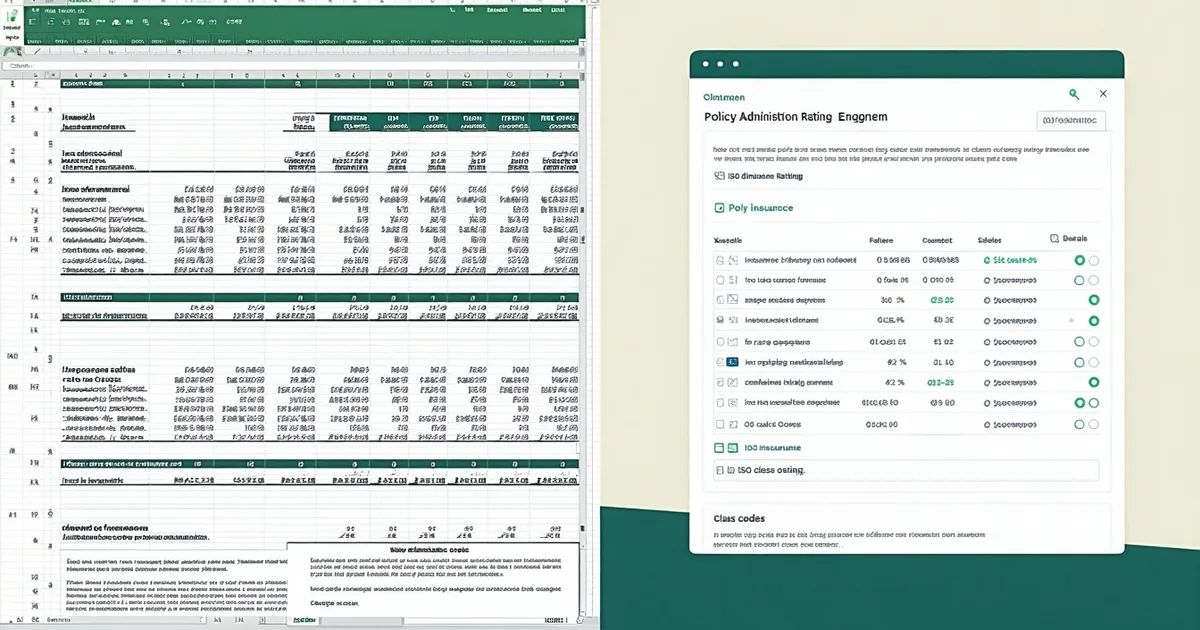
Why Your Rating Engine Is Still a Spreadsheet (And What That Costs You)
Most small commercial-lines carriers are quoting on Excel with ISO rate tables manually updated quarterly. Here is what breaks when volume crosses 500 submissions.

Written for carrier operations, underwriting, and technical staff managing commercial-lines books. We cover rating engines, FNOL workflows, treaty reinsurance, ACORD form processing, and ISO LOB classification — the operational detail that generic insurtech content skips.
Most small commercial-lines carriers are quoting on Excel with ISO rate tables manually updated quarterly. Here is what breaks when volume crosses 500 submissions.

First notice of loss intake is where carrier operations break down fastest. We benchmarked 3 automation approaches against manual intake — the results are instructive.
Ceded reinsurance bordereau reporting is a quarterly spreadsheet exercise for most small carriers. It doesn't have to be. Here is how treaty management becomes a workflow step.
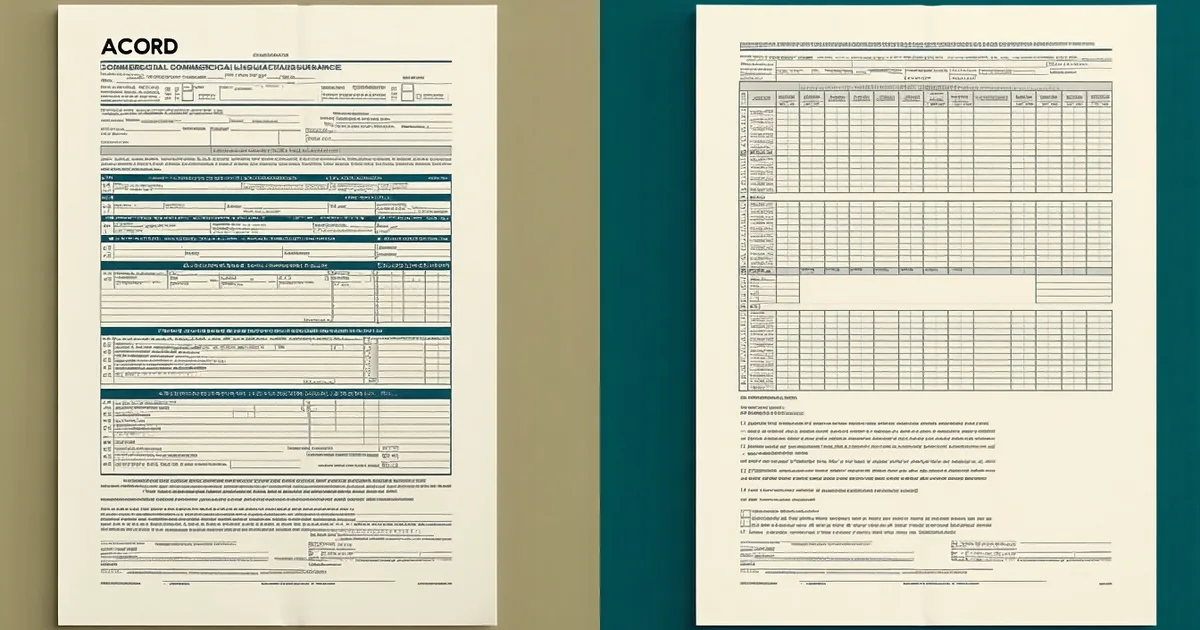
ACORD 125/126/140 intake still requires manual re-keying at most small carriers. Structured parsing changes the submission triage workflow.
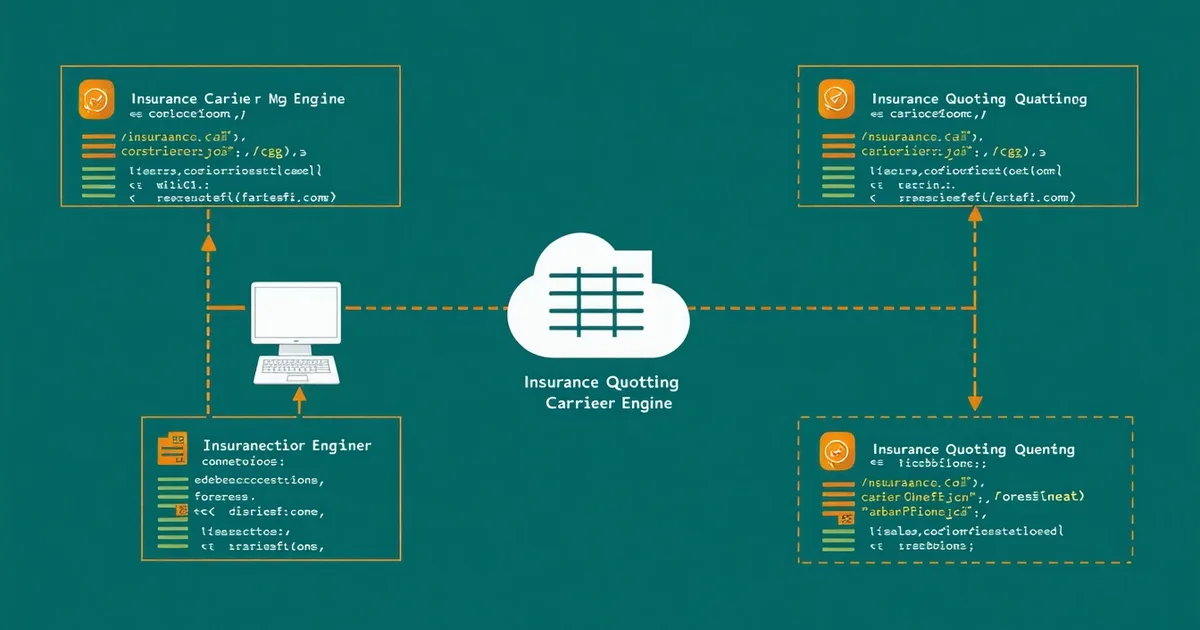
MGA and program business partners want API access to your quoting engine. Small carriers that can offer a real-time quote API open a distribution channel that Guidewire-locked carriers cannot easily match.
Guidewire PolicyCenter is a legitimate platform for large carriers. For a carrier writing $30M in DWP with a 12-person operations team, the implementation timeline and license cost structure create a different calculation.
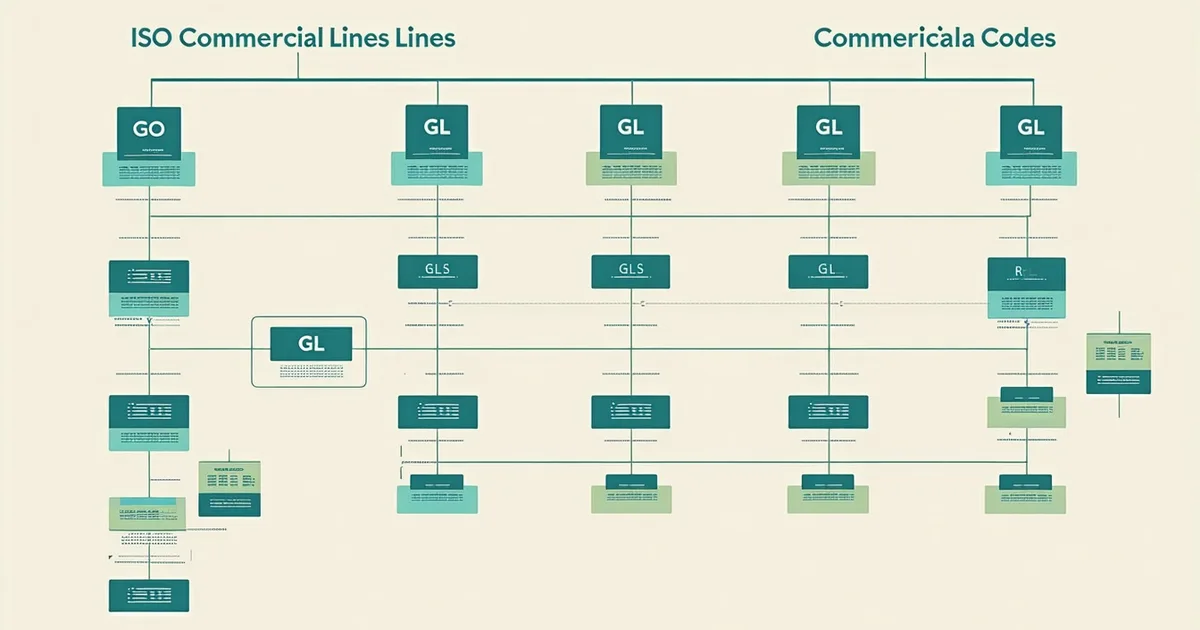
ISO line-of-business codes underpin rating, reinsurance treaty scope, and NAIC reporting. Understanding the classification hierarchy helps carrier operations teams catch submission errors before binding.